
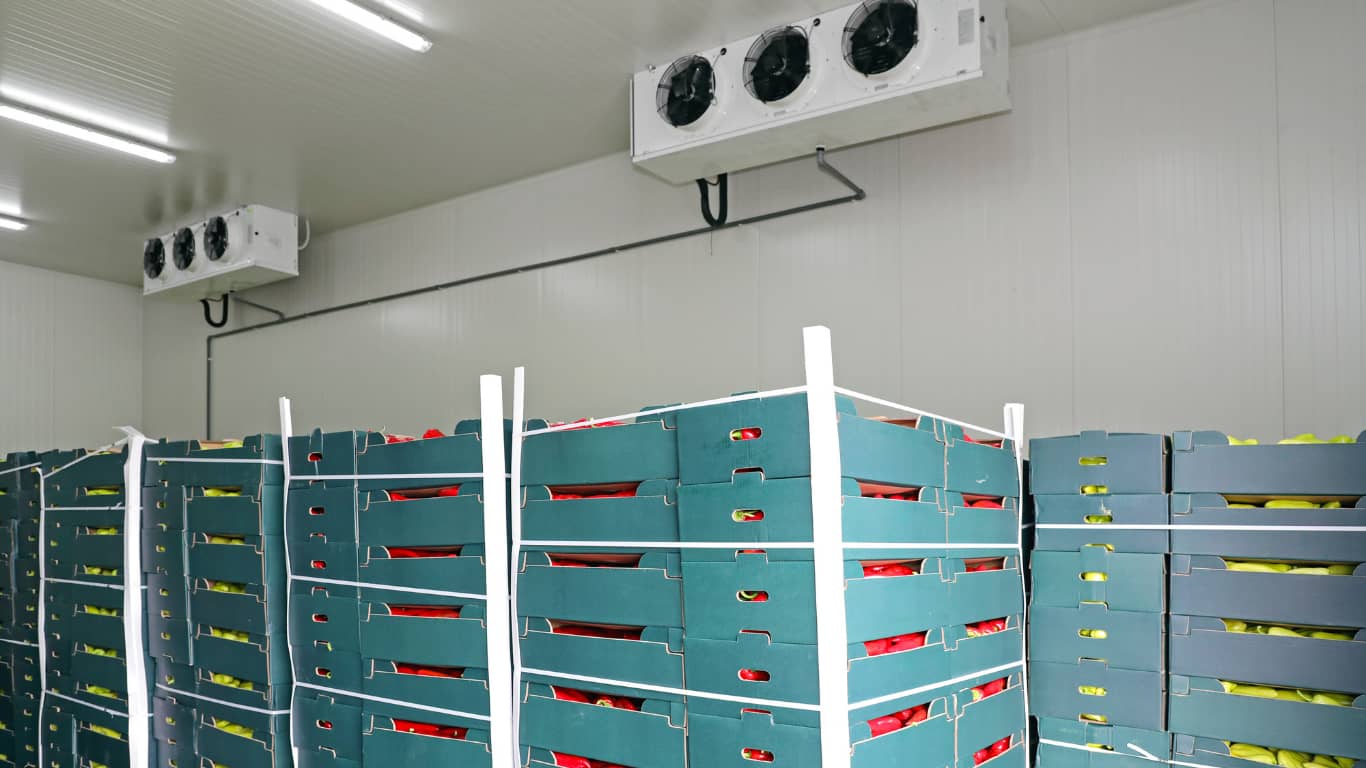
In the cold storage industry, maintaining optimal temperature is essential to preserving perishable goods and preventing spoilage. For large-scale storage facilities that operate continuously, efficiency, reliability, and sustainability are top priorities. Among all available refrigeration options, ammonia-based cooling systems stand out as one of the most effective and eco-friendly solutions for large cold storage applications.
At Kailco International, decades of engineering expertise have gone into designing high-performance ammonia air cooling units, condensers, and heat exchangers that meet the rigorous demands of modern cold storage facilities.
Why Choose Ammonia for Industrial Cooling
Ammonia (NH₃) has been used in refrigeration for more than a century and remains a preferred refrigerant for industrial applications due to its outstanding thermodynamic properties. It offers excellent energy efficiency and a minimal environmental footprint compared to synthetic refrigerants.
Key Advantages of Ammonia Refrigeration Systems:
- High Energy Efficiency: Ammonia absorbs and transfers heat more effectively than most synthetic refrigerants, leading to lower energy consumption.
- Environmentally Friendly: Ammonia has zero ozone depletion potential (ODP) and negligible global warming potential (GWP).
- Cost-Effective Operation: Lower refrigerant charge and higher cooling capacity reduce operational costs over time.
- Reliable Performance: Well-suited for continuous operation in large facilities requiring stable, low temperatures.
How Ammonia-Based Cooling Systems Work
Ammonia-based cooling systems operate on a simple vapor-compression cycle similar to other refrigeration systems, but with higher efficiency.
- Compression: Ammonia vapor is compressed, increasing its pressure and temperature.
- Condensation: The hot vapor passes through a condenser coil or dry cooler, where it releases heat and turns into liquid ammonia.
- Expansion: The liquid ammonia then expands through an expansion valve, reducing pressure and temperature.
- Evaporation: The cold, low-pressure ammonia absorbs heat from the cold room through evaporator coils, cooling the storage area effectively.
This continuous cycle maintains the precise temperature needed for preserving perishable products such as fruits, vegetables, meat, and dairy.
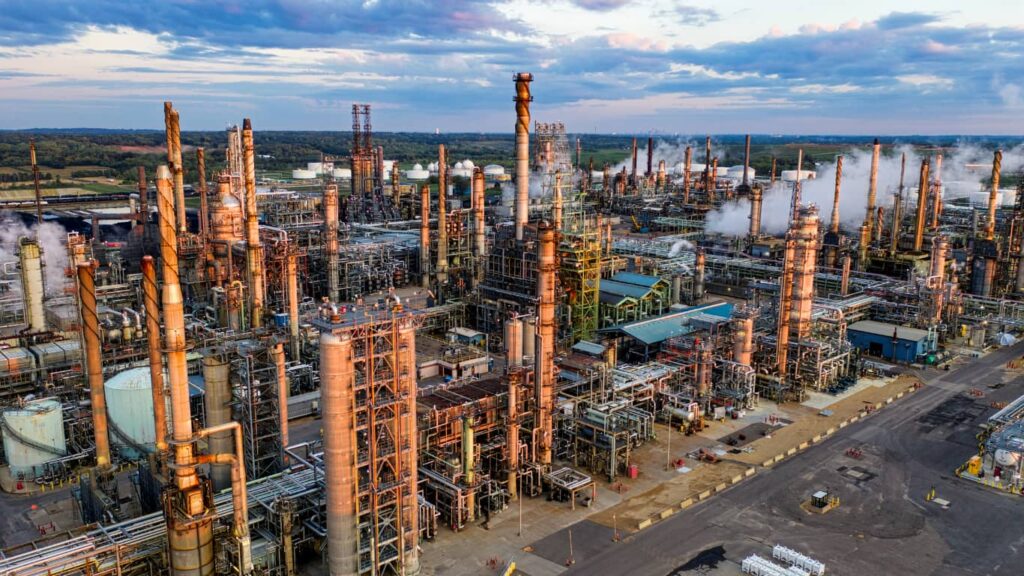
Designing Efficient Ammonia Systems for Large Cold Storages
Designing an efficient ammonia-based cooling system involves careful consideration of several engineering and operational factors. Kailco International follows a systematic approach to ensure optimal performance and safety.
1. Capacity and Load Analysis
The first step in system design is calculating the cooling load based on the size of the facility, insulation level, product type, and expected throughput. Proper sizing ensures that the system operates efficiently without overloading the compressor or consuming excessive energy.
2. Equipment Configuration
A large cold storage typically requires multiple cooling stages or zones with separate evaporators and temperature controls. Kailco’s ammonia air cooling units are designed for even air distribution and consistent cooling across the entire space.
3. Material Selection
Ammonia is highly compatible with metals like steel, stainless steel, and copper. Kailco International uses corrosion-resistant materials to ensure system longevity and minimal maintenance.
4. Safety and Leak Management
Although ammonia is highly efficient, it must be handled carefully due to its toxicity at high concentrations. Modern ammonia systems include safety features such as leak detection sensors, pressure relief valves, and emergency ventilation systems to maintain safe operations.
5. Energy Optimization
To improve efficiency, Kailco incorporates advanced components like variable speed fans, efficient compressors, and heat recovery systems. These features reduce energy consumption and ensure stable temperature control, even in fluctuating ambient conditions.
Applications in Large Cold Storages
Ammonia-based cooling systems are ideal for large-scale facilities such as:
- Food Processing and Distribution Centers
- Frozen Goods Warehouses
- Dairy and Meat Storage Facilities
- Agro Produce and Export Hubs
These systems are capable of maintaining temperatures ranging from slightly above freezing to deep-freeze levels, depending on product requirements.
Sustainability and Environmental Impact
As global industries move toward eco-friendly and energy-efficient technologies, ammonia refrigeration stands out as a sustainable choice. It not only reduces carbon emissions but also helps businesses comply with environmental regulations and achieve green certification standards.
Unlike synthetic refrigerants such as HFCs, ammonia does not contribute to ozone depletion, making it one of the most environmentally responsible cooling options available today.
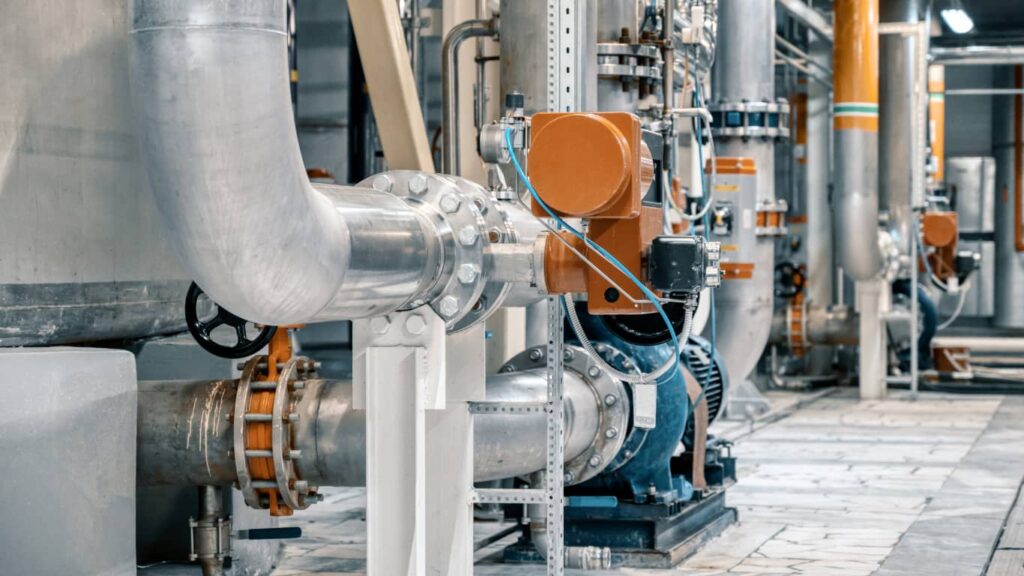
Kailco International’s Expertise
Kailco International manufactures a complete range of ammonia air cooling units, condensers, evaporators, and heat exchangers specifically designed for large cold storages. Each unit is built to deliver:
- High performance and efficiency under continuous operation.
- Reliable cooling at low temperatures.
- Ease of maintenance and long service life.
- Customizable configurations to meet specific client needs.
With over a decade of experience in industrial cooling, Kailco International ensures that every system meets the highest standards of quality, safety, and performance.
Conclusion
For large cold storage operations, ammonia-based cooling systems offer unmatched efficiency, environmental benefits, and long-term cost savings. With advanced engineering, durable construction, and precise temperature control, these systems provide the reliability that industrial-scale refrigeration demands.
Kailco International continues to lead the industry with its innovative ammonia-based cooling solutions—combining sustainability, performance, and safety to help businesses preserve their products and the planet.