
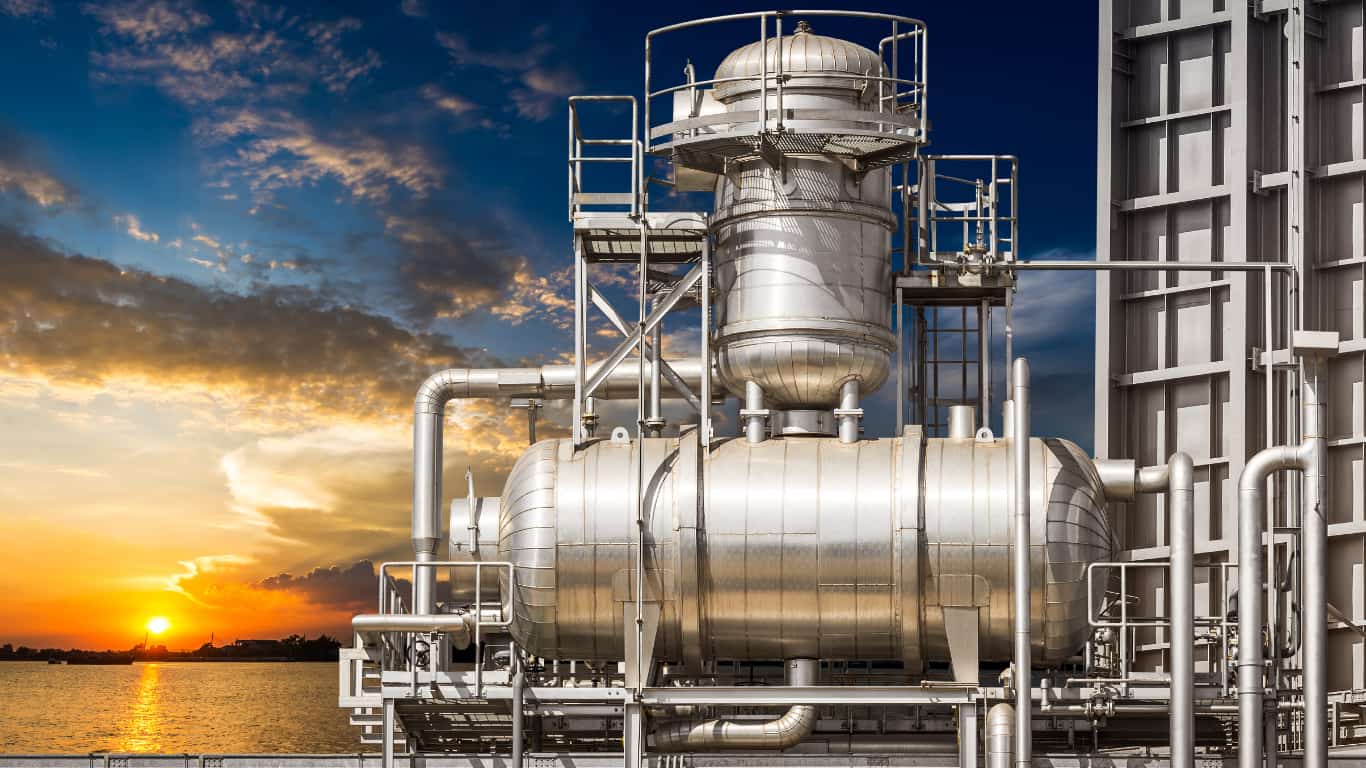
In today’s industrial world, efficient cooling is critical for maintaining equipment reliability, energy efficiency, and smooth operations. One of the most effective and low-maintenance cooling solutions available is the dry cooler. Designed to remove heat from process fluids without the need for constant water consumption, dry coolers are becoming increasingly popular across industries.
However, choosing the right dry cooler for your specific industrial application requires a careful understanding of system design, cooling capacity, environmental factors, and operational requirements.
What Is a Dry Cooler?
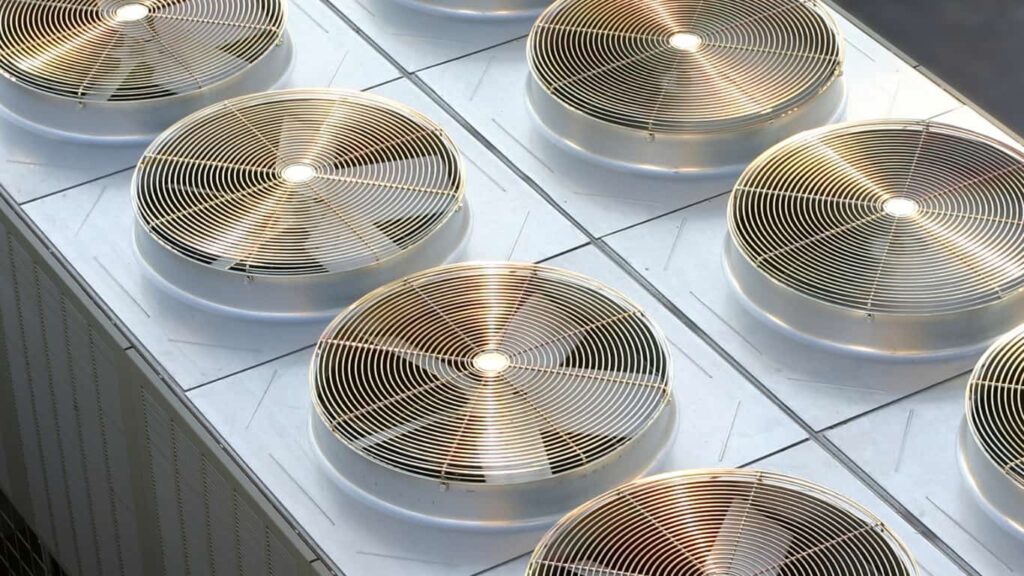
A dry cooler is a heat exchange system that cools fluids—typically water or a glycol-water mixture—using ambient air. Unlike traditional cooling towers, which rely on evaporation and consume water, dry coolers transfer heat through finned coils with the help of fans that draw air over the surface.
This process allows the working fluid to be cooled and recirculated in a closed-loop system. Because no water is evaporated, dry coolers significantly reduce water consumption and maintenance costs, making them an eco-friendly and cost-effective alternative to wet cooling systems.
Types of Dry Coolers
Different industrial setups call for different types of dry coolers. Here are the main varieties:
1. V-Type Dry Coolers
These systems feature two slanted coil banks in a “V” shape, which provides a compact design and efficient airflow. They are suitable for installations where space is limited but high capacity is needed.
2. Flat-Bed Dry Coolers
Flat-bed designs use horizontal coil configurations and are often preferred for ground installations. They are easy to service and ideal for applications with moderate cooling needs.
3. Adiabatic Dry Coolers
Adiabatic systems combine the efficiency of dry cooling with evaporative pre-cooling. By moistening the incoming air before it passes through the coils, these units achieve greater cooling efficiency, especially in hot climates.
Key Factors to Consider When Selecting a Dry Cooler
1. Cooling Capacity Requirements
Every industrial process has unique thermal demands. Before selecting a dry cooler, determine your system’s required heat rejection rate (measured in kilowatts or BTUs). The capacity should match your equipment’s output to prevent overheating or energy waste.
2. Ambient Temperature Conditions
The performance of a dry cooler depends heavily on ambient air temperature. In cooler climates, dry coolers work extremely efficiently. However, in hot regions, adiabatic or hybrid systems may be necessary to maintain adequate cooling performance.
3. Space and Installation Constraints
Dry coolers come in different shapes and configurations. V-type systems save ground space, while horizontal flat-bed units are easier to access for maintenance. Choose a design that fits your site layout and maintenance preferences.
4. Energy Efficiency
Look for systems equipped with variable-speed fans and intelligent control systems that adjust airflow based on cooling demand. These features help reduce power consumption, extend fan life, and lower operational costs.
5. Noise and Environmental Considerations
For industrial facilities located near residential or commercial areas, low-noise fan designs and vibration control systems are essential. Additionally, selecting dry coolers with recyclable materials and low refrigerant usage supports sustainability goals.
Applications of Dry Coolers
Dry coolers are widely used across industries due to their versatility, durability, and efficiency. Common applications include:
- Power Generation: Cooling turbine lubricants and generator fluids.
- Data Centers: Managing heat from servers and IT equipment.
- Manufacturing Plants: Regulating temperatures in hydraulic systems and compressors.
- Food and Beverage Industry: Maintaining process water temperatures in bottling or packaging operations.
- CNG and Gas Plants: Cooling compressors and booster systems.
Kailco International offers a range of industrial dry coolers, including CNG dry coolers and generator dry coolers, designed for high performance, minimal maintenance, and long operational life. Their products combine robust construction with energy-efficient designs suitable for diverse industrial environments.
Advantages of Dry Coolers
- Low Water Consumption: Operate in closed-loop systems, minimizing water use.
- Reduced Maintenance: No need for chemical water treatment or regular cleaning of wet surfaces.
- Eco-Friendly Operation: No plume or water evaporation emissions.
- Energy Savings: Modern systems are optimized for airflow and temperature control.
- Durability: Built from corrosion-resistant materials such as aluminum and stainless steel.
Conclusion
Selecting the right dry cooler for your industrial application can have a significant impact on performance, efficiency, and sustainability. By considering factors such as cooling capacity, climate conditions, and energy efficiency, industries can find solutions that meet their exact needs.
Kailco International continues to lead the way in providing reliable, cost-effective, and environmentally responsible dry cooling systems that help industries operate at peak performance while reducing their environmental footprint.
Efficient cooling is not just about temperature control—it’s about supporting long-term industrial growth with smart, sustainable technology.